
Photography and Visual Storytelling are essential aspects of digital storytelling and the complex digital landscape of the modern age. After all, we interact with an image in any digital context, whether that be a beautiful webpage featuring a photo that the admin chose to showcase, or simply the design of a menu.
Photography is one of my favorite activities. I bring a small digital Sony Cybershot around with me almost all the time, especially on trips, and snap photos of things I find particularly beautiful or interesting. This was certainly something I took particularly seriously on a short trip to New York City with my girlfriend last summer.
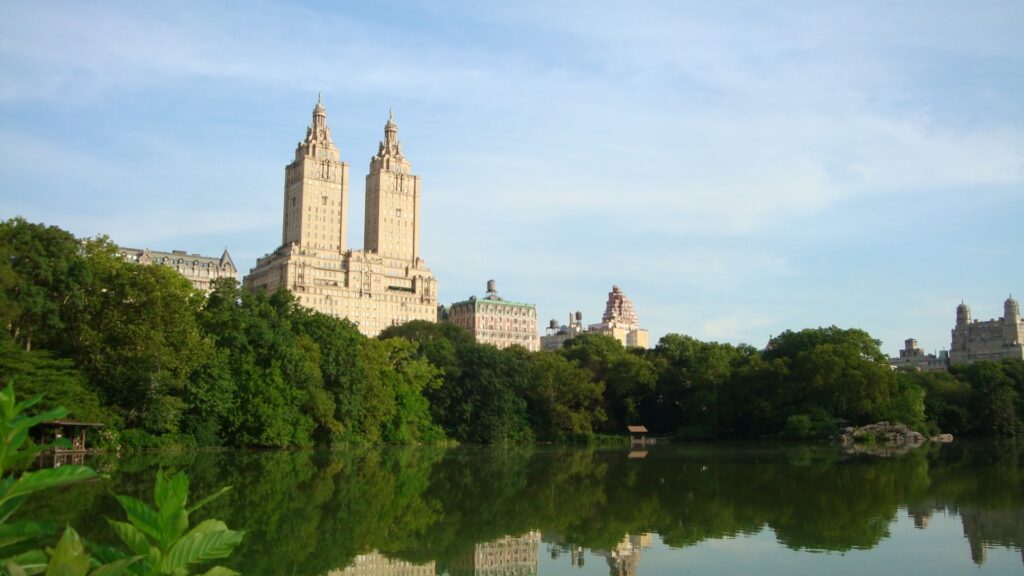
I tend to focus on landscapes and architecture, but I’ll take photos of really anything I think is worthy of the space on my SD card, like the Rappahannock! (Looking back, both of these have very similar color palettes)

Reading key points from David duChemin’s 20 Ways To Make Better Photographs, I pick up on a few that I already take pretty seriously. For one, I am already very picky with the photos I take, even on my phone, since I keep running out of iCloud space, and on my camera, I have a finite amount of space on my SD card. Whenever I am walking around with my camera, I am not looking through it, but around it, and using my eyes (which are much better) to frame the view in the right way. I also find the perfect spot by actually moving my body around the area to get it just right, especially if I’m trying to showcase symmetry.
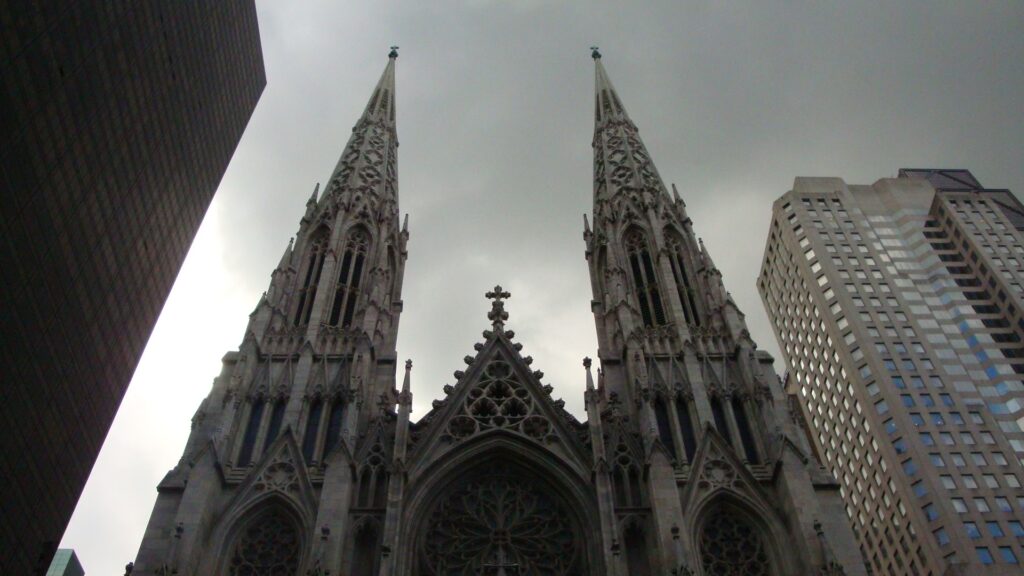
The one point I could definitely work on is paying attention to the moment surrounding the photo and observing what is happening, and the ideal moment to capture it. Oftentimes, I’m in a rush to take the photo and preserve what I am witnessing because it’s so powerful, but in reality, the real power of the image is preserved more effectively when it is allowed to develop and show more of itself to you. Another issue is that because most of my photos are meant to document beautiful landscapes, places, and buildings, they don’t contain interesting things happening in the foreground. Often, in fact, they don’t document small objects at all! Upgrading my equipment is something I certainly have on my radar: I’ve learned via YouTube that with a simple $100 DSLR camera and a tripod, you can actually take very high-quality photographs of the night sky, exposing nebulae and formations not visible to the naked eye. But, pertaining to the suggestions for the book, having a larger, more capable camera with a higher resolution and depth of field would allow me to increase my capabilities in capturing smaller features and details.
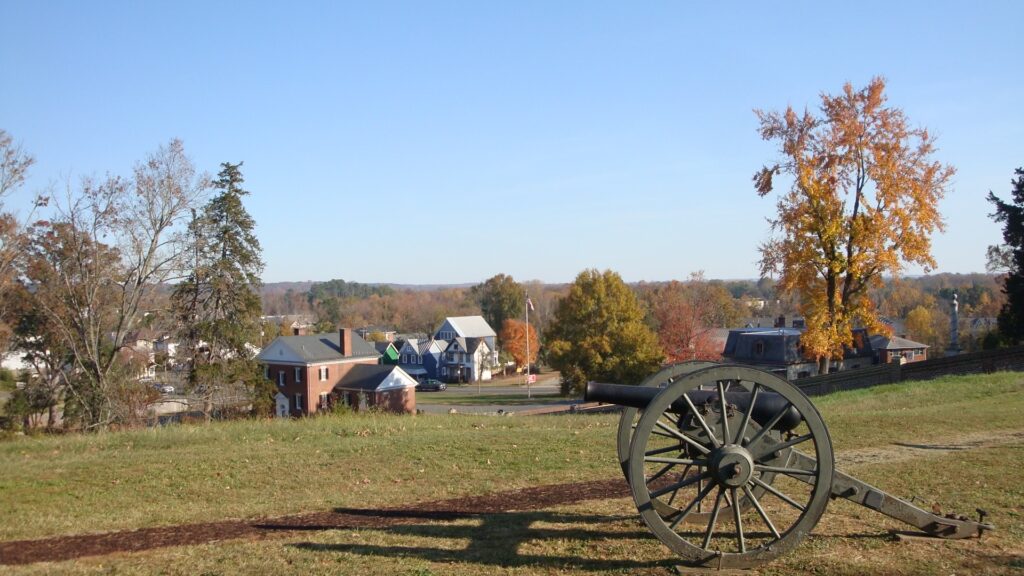
I only learned recently how to use a DSLR in my Documentation and Field Work class for Historic Preservation, with Dr. Spencer, last semester. Preservation photography and documenting historic structures have different standards than normal photography–in fact, the consideration of what makes a good photo in Preservation is entirely different! In Preservation, you want no direct light, cloudy weather, maximum exposure, maximum ISO, and maximum depth of field, where nothing is out of focus. In practicing for the assignment, I had to unlearn everything I knew about photography. I think it provided me with a valuable perspective that I have been able to use to improve my photography moving forward.

Visual Literacy
Visual literacy is the ability to draw meaning from visual images. Sounds simple enough, right? Well, in our modern age, as we interact with images daily at an incredibly high rate, it is massively important that we take this concept as seriously as any other form of literacy. Even in the age of AI, visual literacy can be the difference between believing a fake story or knowing the truth. I’d like to think I have a well-developed sense of visual literacy from my intense interest in TV and film. Along the lines of the static image, a director I admire is Akira Kurosawa, known for his perfect sense of balance, composition, and imagery. Here’s a particular shot from the film Ran, which was released in 1985:
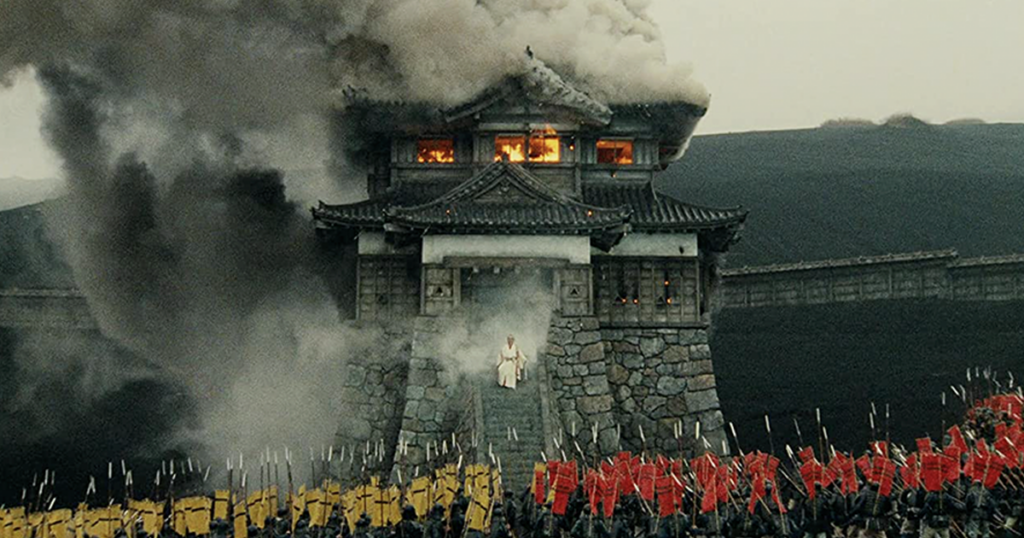
What can you interpret about the film just by looking at this image? Probably a great deal! For example, in the foreground, we have two factions who seem to have aligned interests, their weapons pointing skyward. Soldiers run to cover the entrance to the citadel, but the man in the center is clearly exiting in a slow, deliberate manner, perhaps suggesting he is confident they will not harm him. Perhaps he knows or is familiar with the soldiers or their leaders to assume that! Just as in cinematography, visual literacy in photography allows the narrative that you’re trying to tell to come through. For example, with these interpretive techniques in our minds, we can choose our scenes more carefully and improve the quality of the output. Visual Literacy allows us to craft powerful narratives with our images and properly interpret those images when we’re presented with the final product. A classic example of a photograph being used in this way is the Migrant Mother.
The Story of the Migrant Mother
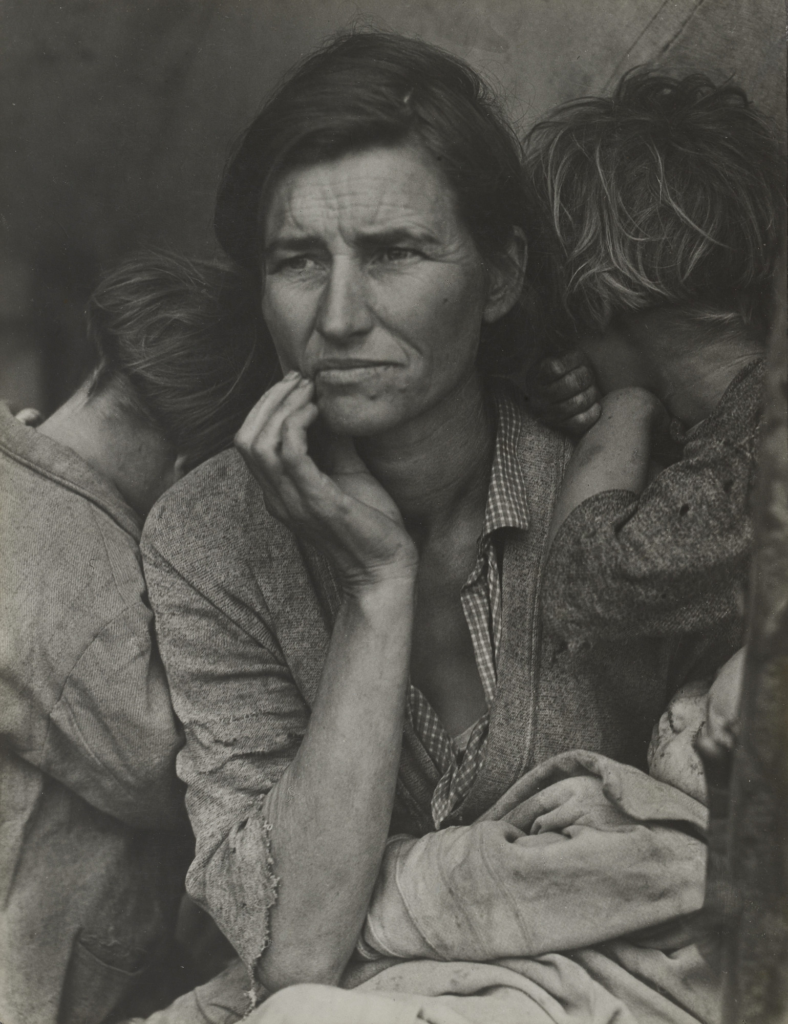
Arguably the most iconic photograph ever taken, captured in 1936 by Dorothea Lange, Migrant Mother is an extremely powerful photograph. Taken during the ravages of the Great Depression and the Dust Bowl, the photo depicts Florence Owens Thompson, a Cherokee descendant, and three of her seven children in a pea-picking camp in California. It was the final shot of six she took at the camp. The first thing that is so striking about this image is Thompson’s face. To many, it characterized an intense sense of anguish and a lack of hope. The hand, placed at the corner of her lip, conveys apprehension, reflection, and a deep unknown for the future of her and her children. Of course, we can’t discount the faces of the children, turned away from the camera, provoking the loss of innocence, but the burden is being held by the mother, who looks forward alone. The photo, taken with the subjects under a ramshackle tent, has an intense darkness to it which complements its rhetoric.
Conclusions
Ultimately, being a true photographer means more today than it once did. Without traditional development techniques and physical film, and with a capable camera in everyone’s pocket, it takes more to stand out from the rest. It takes vision, an eye for detail, and lots of planning and deliberation to take photos at a high level. Just as I will continue to take pictures for fun, I hope the next time you step outside, you’ll see something beautiful and try to preserve it for yourself forever.