
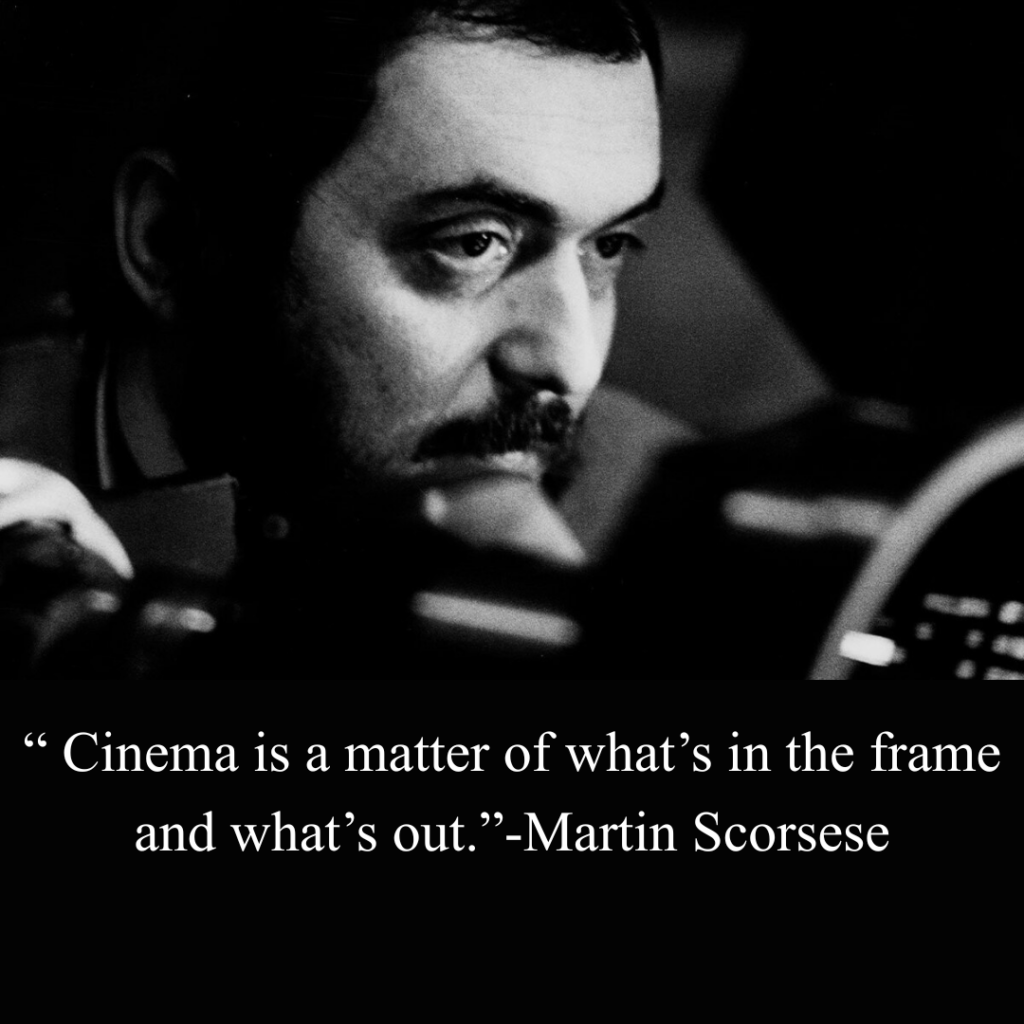
I have only seen a few of Stanley Kubrick’s legendary films, but even without fully diving into his lengthy and dense filmography, I’ve plucked multiple of what I believe are the greatest films of all time. And ultimately, one of Kubrick’s strengths was the ambiguity that this quote from Scorsese references. Let’s look at a few of the movies that highlight Kubrick’s thoughtful decisions of inclusion and exclusion
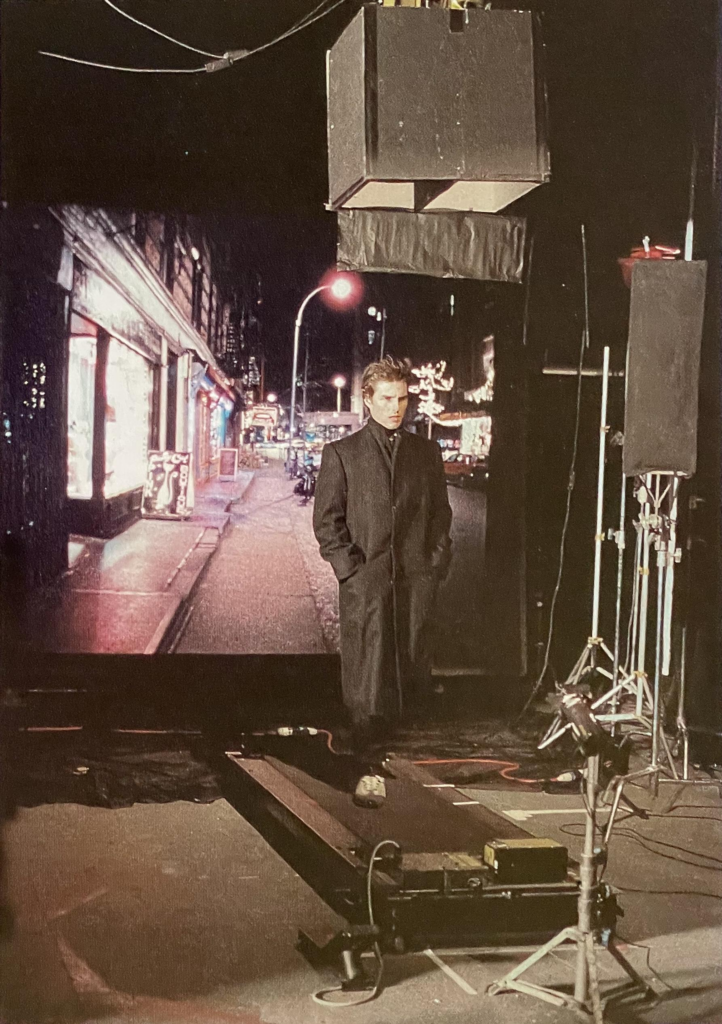
One of Kubrick’s most divisive films was the last one he ever made. Eyes Wide Shut, which was released in 1999 shortly after his death, follows a doctor played by Tom Cruise, who embarks on a surreal, ambiguous, and disturbing adventure after learning of his wife’s unfaithful sexual fantasies. The film focuses on the terrifying power dynamics of the secretive elite. The quote above applies to this film in that Kubrick intentionally leaves things vague and confusing to the viewer, as we are thrust into a dreamlike series of images, feelings, and dread. All of which is self-contained within Tom Cruise’s character and is, for the most part, rebuked by the film’s ending. Was it real? Because of Kubrick’s intent to remove explicit meaning and keep us guessing, we will never know. That is the power of choosing what not to show the audience.
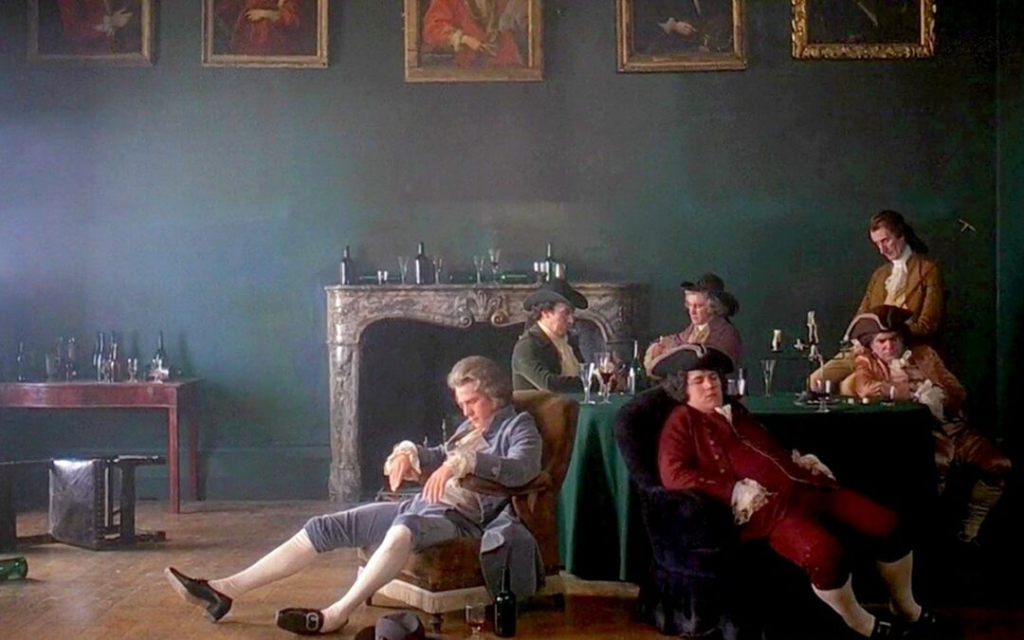
But what about inclusion? How can an auteur like Kubrick benefit from laying everything bare on the canvas of the frame? In my favorite of his films, the visually stunning Barry Lyndon, Kubrick is purposefully blunt with his use of imagery.
The film is about Redmond Barry, an ambitious Irishman caught up in the Seven Years’ War who climbs the social ladder to become a member of English nobility, only to lose everything. Kubrick’s images dwarf Barry, the scale of his surroundings driving home his insignificance in it all. More heavy-handed in his inclusion, Kubrick slaps the audience across the face with large, title-carded quotes like: “It was in the reign of George III that the aforesaid personages lived and quarreled; good or bad, handsome or ugly, rich or poor, they are all equal now.” These act as an epitaph not only to Barry, but to all those who fall victim to their own greed and ambition.
What are your four favorite films? Do you have a favorite auteur director? Let me know! Try out this assignment!