
The first thing I caught onto was the importance Massimo Vignelli puts on background research and context in the section headed “Semantics”. Sometimes, in the modern design landscape, I feel as though most designers ignore previous successes or the history of what they are designing and look more towards fitting in with the post-modern, minimalist, overtly “new” style. Ultimately, for better or for worse, the goal of most designs that we interact with daily is to sell you something. This means that, particularly in corporate spheres, statistical analyses to maximize the attention a design brings to a product, puts the design itself on the backburner and the product front and center. I wholeheartedly agree with Vignelli when he points out this design as “criminal” and polluting to the visual landscape.

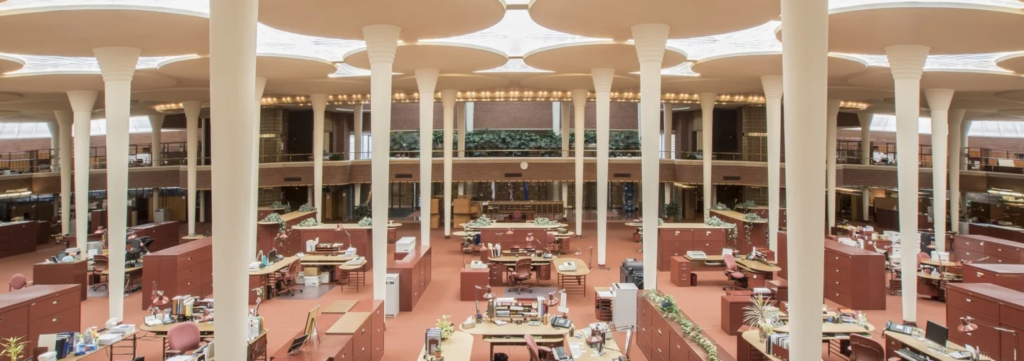
I also agree when Vignelli points out the importance of intellectual clarity in design. An object should be recognizable, functional, and efficient, and this is done by what Vignelli calls “clarity of intent”. Whereas, when this clarity is not present, it is equally noticeable in the “complication” of the design. Clarity is also important in actually carrying out the intellectual vision of the designer. Vignelli states that design is nothing if it is not forceful and asserts itself. But more than all, clarity in design translates to its survival of fads. I, too, think that timeless design is the most important, even if it may feel impractical or unsuccessful at a time when it is an outlier. Designs that push the needle are those that still affect us today, like Frank Lloyd Wright and Romanesque and Brutalism.
But his most nebulous point is also the one I agree with the most: Appropriateness. It almost seems too simple to say, but understanding the appropriate methods for delivering your design—scale, materials, media, etc.—goes a long way toward the actual outcome. For example, if I were to design an advertisement for a fashion company whose focus is on streetwear in the style of, say, New York City, printing these designs at a massive scale and placing them on billboards in the middle of rural Pennsylvania wouldn’t do much for it, would it? But if the design was made to incorporate urban elements, placing them in subway stations across various cities worldwide would make an effective cultural statement about the design’s purpose, more than any large volume of placements elsewhere.

In all, I find Vignelli’s concise and simple analysis highly useful for conducting that first foray into design. When generating that idea and beginning the process, we should always consider these things in our approach. Read the Vignelli Canon here, and share your thoughts!