
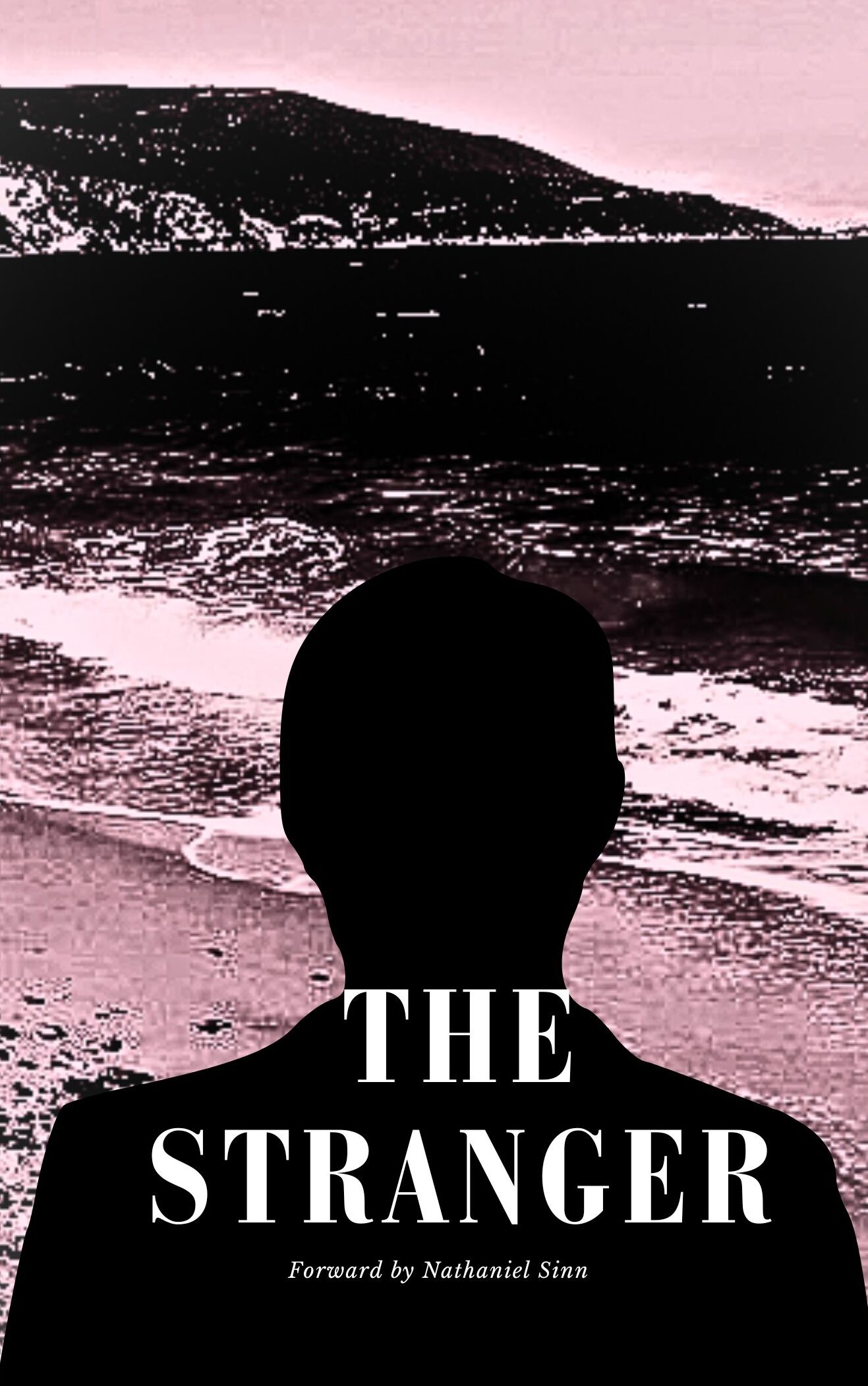
When I first scanned my West Potomac High School student ID and was handed a copy of this book in AP English Literature, I was happy to see that it was not too long and meant that I wouldn’t have to put in as much legwork to finish it as I had with, say, Moby Dick. My teacher, Mr. Deiter, was a bit of a taskmaster who focused on the classics, so I trusted his decision with this book. Looking back, it is a miracle that a high school classroom was allowed to read this dark, confronting, and unnerving novel by Albert Camus. The Stranger is a book that I will never forget.
The Stranger is one of the biggest examples of the philosophy of absurdism, where we, as humans, struggle to moralize, rationalize, and find meaning within an inherently meaningless universe. Meursault, the main character we follow through the events of the book, doesn’t really act as a protagonist or antagonist. He simply exists within a surreal, psychedelic, and yet mundane French Algiers setting. Most of the book is practically just Meursault walking around, smoking cigarettes, and swimming in the ocean–which often catches the ire of Francophile teenagers who heard about the book on TikTok.
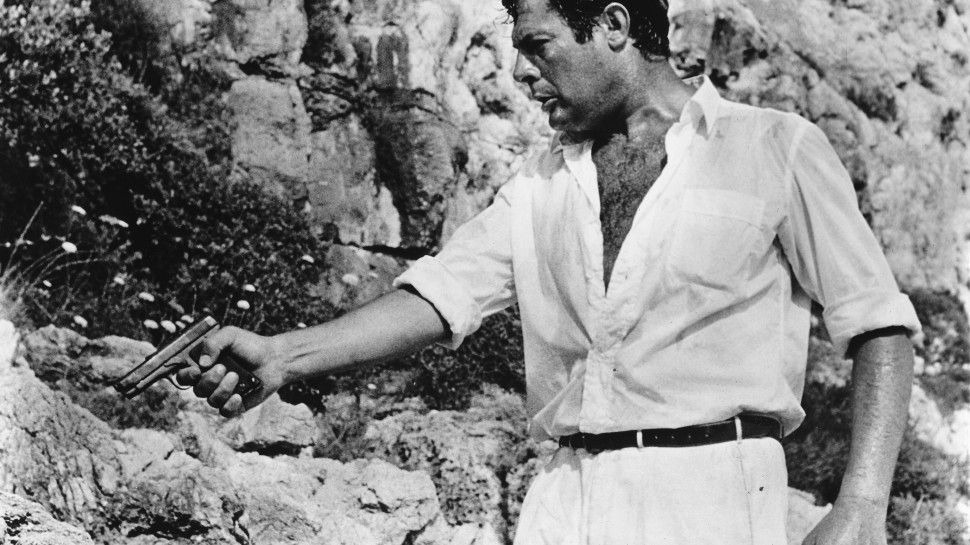
Meursault is, at least to me, a tragic character. He ambles through life, never acknowledging what he finds significant or even enjoyable; he simply lives and migrates from one place to the next. He is wholly indifferent to his existence and the events that he witnesses. The trademark of these is the murder he commits on the beach, which I wanted to represent in the cover I created in this post. Meursault goes into a blind rage and shoots a man five times. First, after being pressured by the heat, the glint of the sun off the man’s knife, and sweat in his eyes, he then emptied four more shots into the man’s body.
My teacher guided us very effectively in this conversation, and it is one of those notable moments in my education that stuck with me totally: why did he continue to shoot the man? Meursault himself says that “it was like knocking four quick times on the door of unhappiness.” So, reader, what is the difference between the first shot and the four that followed? This is still an ongoing debate, despite the novel coming out in 1942.
Some argue that Meursault did it to maximize the gratification of the deed, others that it was a reflex or an accident, but most center on this: that they mean absolutely nothing. Throughout the book, the world tries to rationalize Meursault’s actions: he shot the man four more times, he smoked at his mother’s funeral, and he didn’t even know the day she died! All of this is used against Meursault, but in reality, in all cases, these actions change nothing. The man was already dead, as was his mother.
Do our lives have any meaning? I’d say that question is reserved for self-reflection. I believe that meaning isn’t something that can only apply at a universal level. But this book, which I highly recommend, definitely can get your brain working when it comes to contemplating the actions of others and society as a whole. Have you read The Stranger? What’s your interpretation? If you want, complete this design assignment, and please share!